High Mountain, Mid-Mountain, and Old Bush: Several Clues to Understanding a Dancong
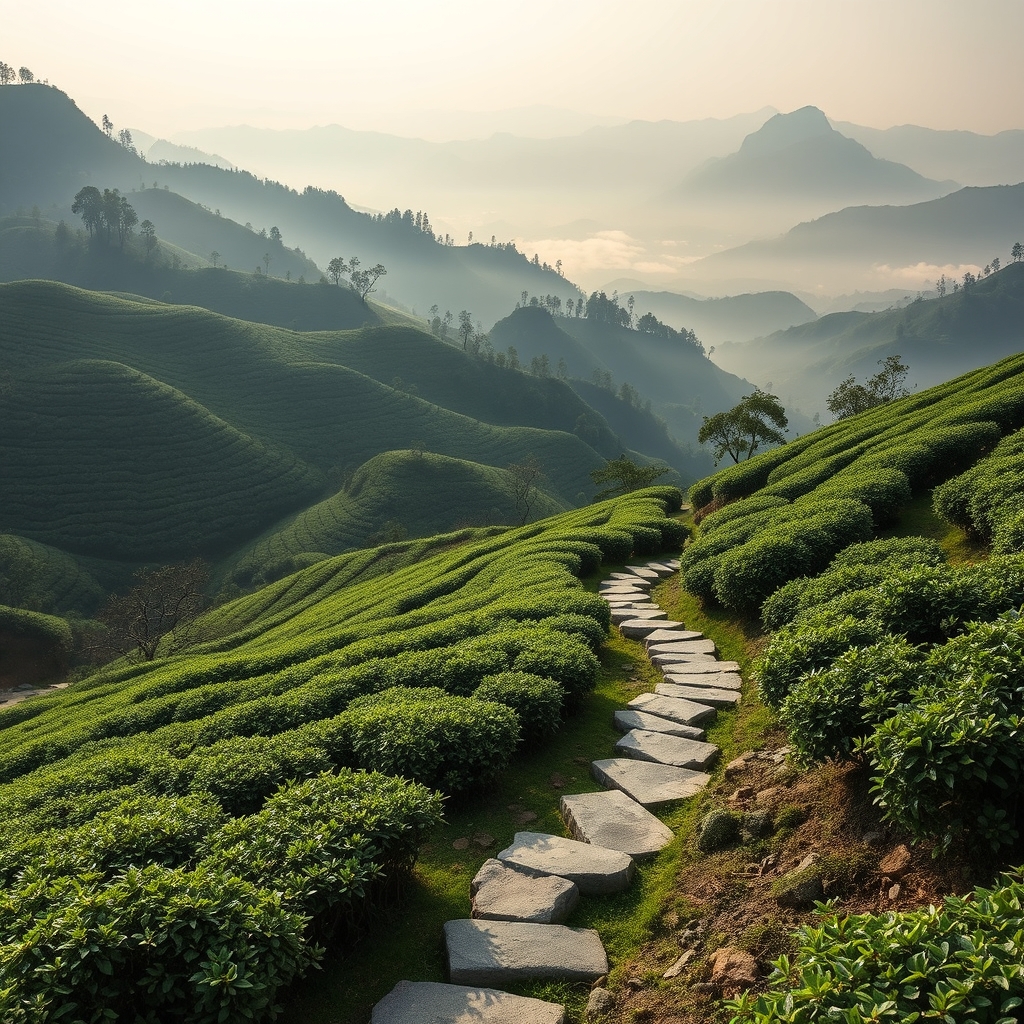
When buying Dancong, aroma type, mountain plot, roasting, and tree age often appear together in the tea name. They answer different questions. If you separate these clues, choosing tea becomes much clearer.
First, separate the questions
“What aroma type is it?” refers to variety or aroma clues; “What mountain plot does it come from?” refers to growing environment; “What roasting has it undergone?” refers to processing; “Is it an old bush?” concerns the tea tree's condition. One term cannot replace the others.
First, treat high mountain and mid-mountain as origin descriptions.
In Jiancha's current product information, some tea names explicitly include “High mountain” or “Mid-mountain.” We keep these descriptions to make it easier to filter and compare by mountain plot. For products without such labels, we will not add a mountain plot based solely on price or aroma type.
“High mountain” itself is not a quality guarantee. The specific origin, altitude, picking, and processing still need to be verified with the supplier. Different merchants may use the term differently, so no unified altitude cutoff is given here.
Old bush and mountain plot are recorded separately.
Old bush is usually used to describe the age and growth condition of the tea tree; it belongs to a different observational dimension from high mountain and mid-mountain. A tea can be labeled with both mountain plot and old bush, or with only one of them specified. When there is no reliable information, we keep the original tea name so that information pending confirmation remains traceable.
After receiving the tea, make your own record card.
Write down the tea name, aroma type, mountain plot, roasting description, and purchase date, then record your impressions of the dry leaf, hot liquor, and cooled cup. Compare using the same set of utensils and a similar brewing method, and gradually find the style you like.
Choosing tea can start with one clue, but judging a tea requires considering origin, processing, and actual tasting together.